BUILD EVIDENCE · UNDERSTAND CONTEXT
Resources
Use these collections to move from noticing a fact to making a claim you can support.
Build toward the two Big Questions
- 01Who invented race in America and what did it buy them?
- 02How did the people America excluded compel America to change?
Artwork and documents offer evidence. Maps and timelines build context. Laws show rules and institutions at work. People and videos help you follow motives, choices, and resistance. Use more than one resource type to strengthen your claim and reasoning.
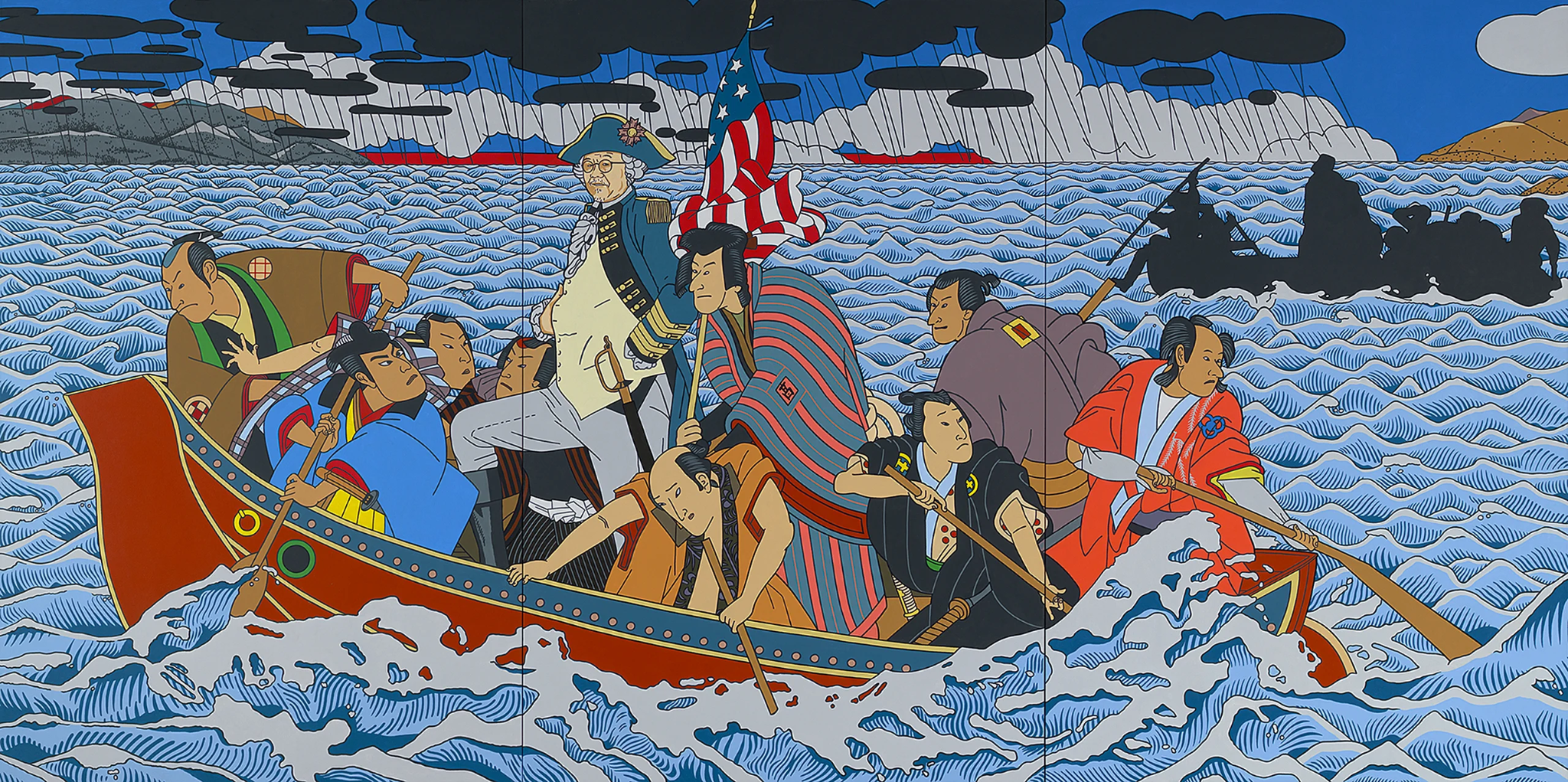
Notice the argument inside an image.
Artwork helps you observe details, interpret symbols, and explain how an image can make power or “progress” look natural.
Open Artwork →TimelinesTrace causes, changes, and consequences.
Timelines put evidence in order so you can test what caused a change, what came before it, and which patterns return.
Open Timelines →MapsPut the story in a real place.
Maps show land, movement, distance, borders, and resources—the geographic context behind people’s choices.
Open Maps →LawsSee how institutions turn ideas into rules.
Laws, treaties, policies, and court decisions provide evidence about who received rights, land, labor, or belonging.
Open Laws →PeopleFollow motives, choices, and resistance.
People pages help you name who acted, what they wanted, what they did, and why their actions mattered.
Open People →DocumentsRead claims in their original language.
Documents give you primary-source evidence to quote, question, and place beside Takaki’s interpretation.
Open Documents →VideosBuild context before you explain.
Videos can clarify unfamiliar events and vocabulary, then help you return to the book with a stronger question or claim.
Open Videos →